
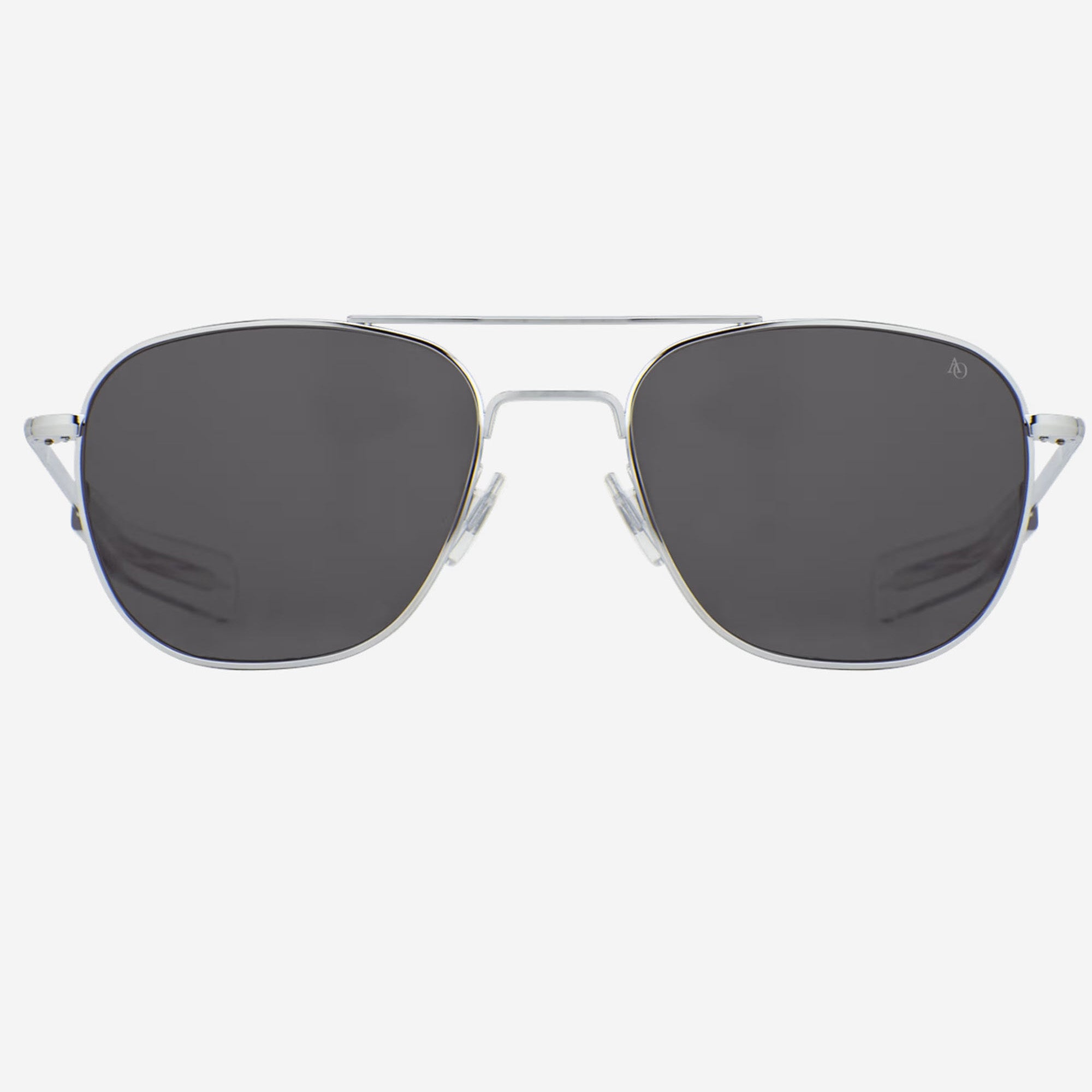
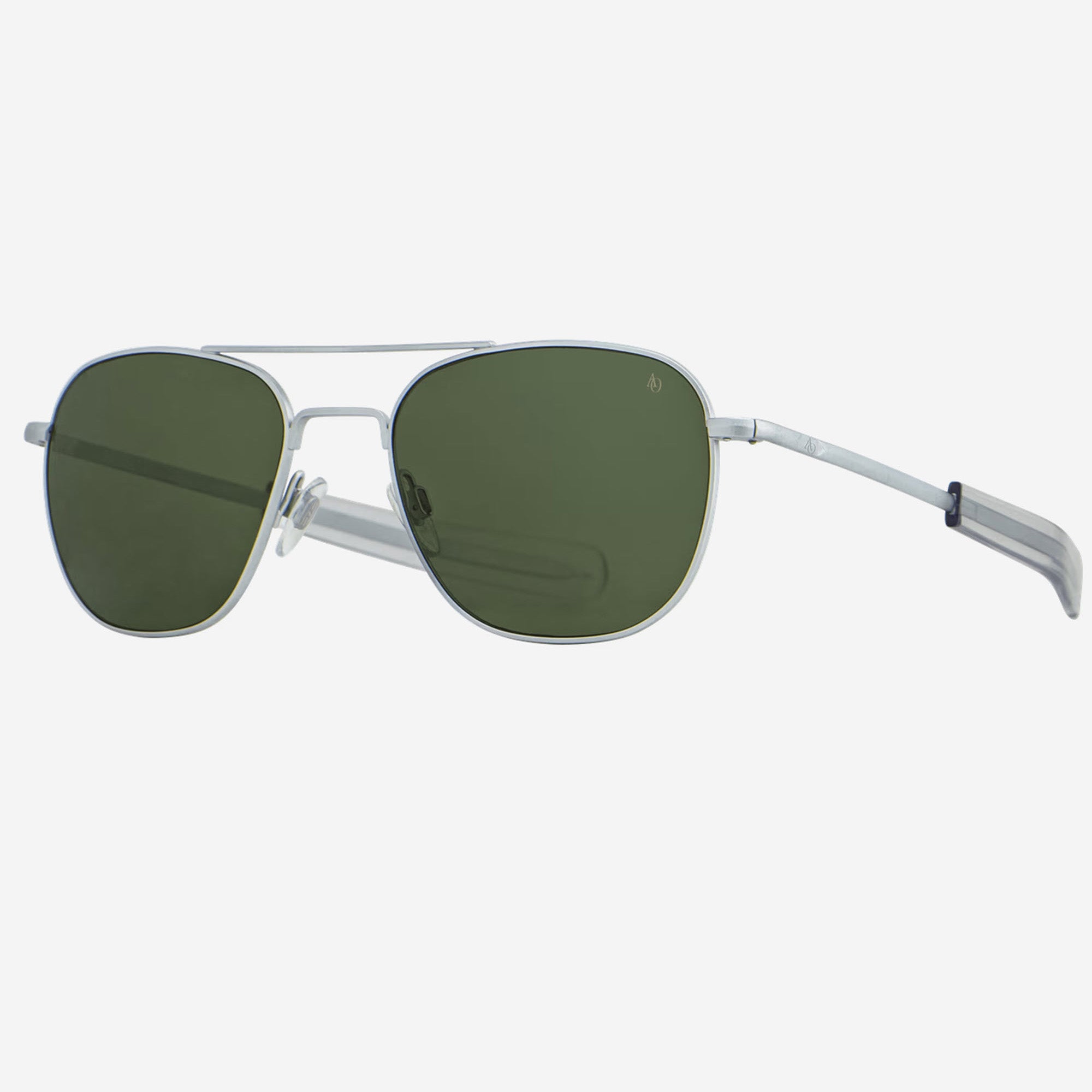
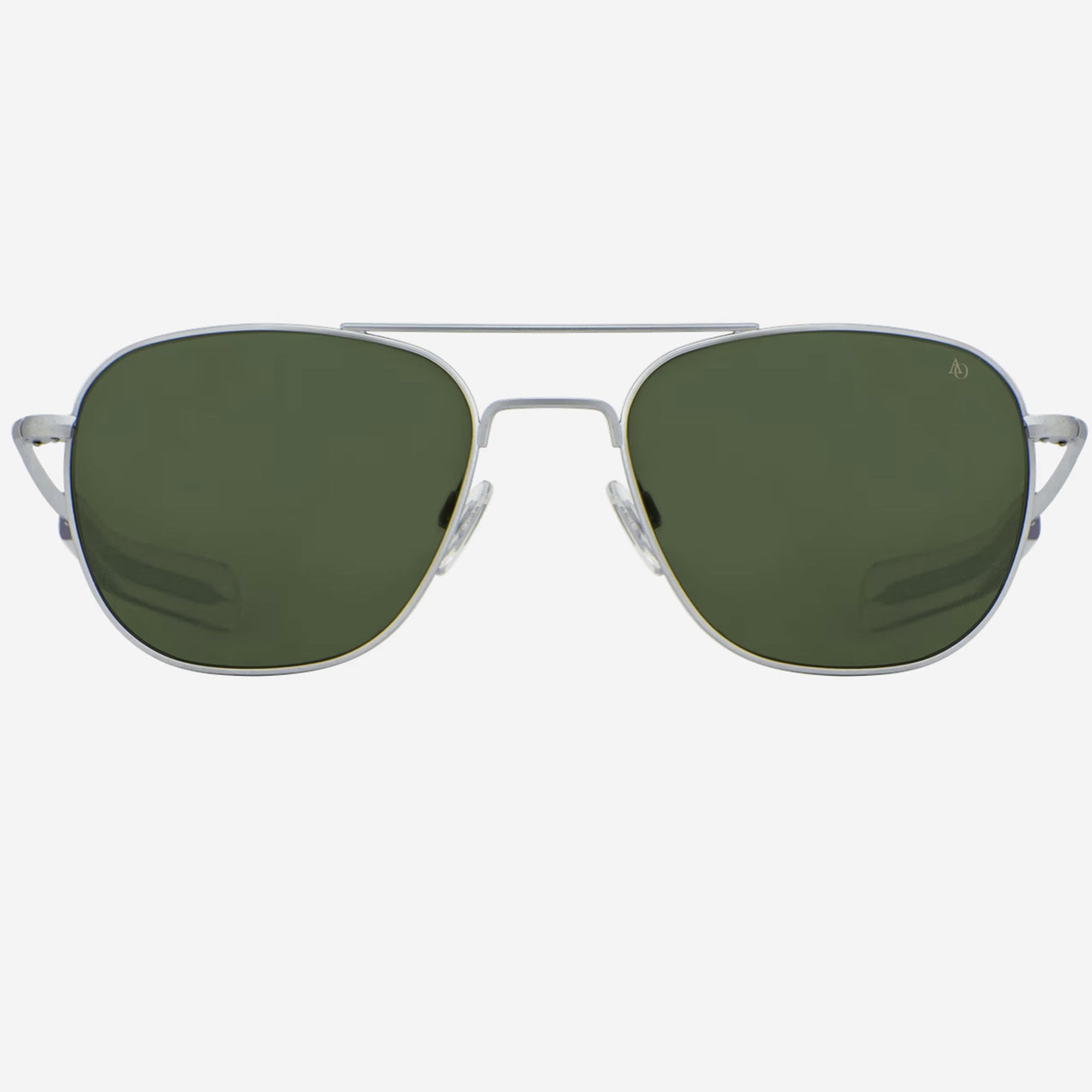
AO Eyewear Pilot Sunglasses - Aviator Sunglasses AO


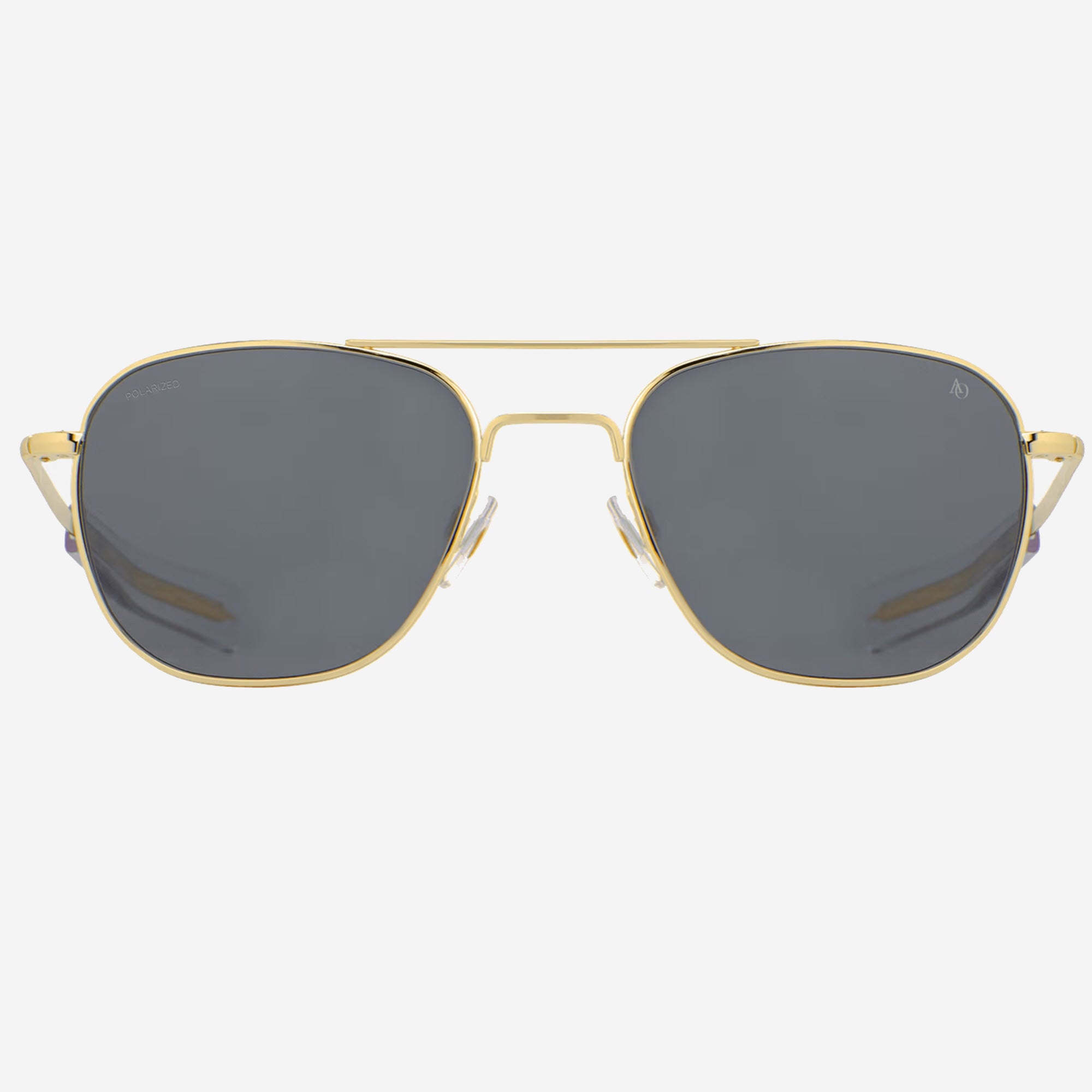
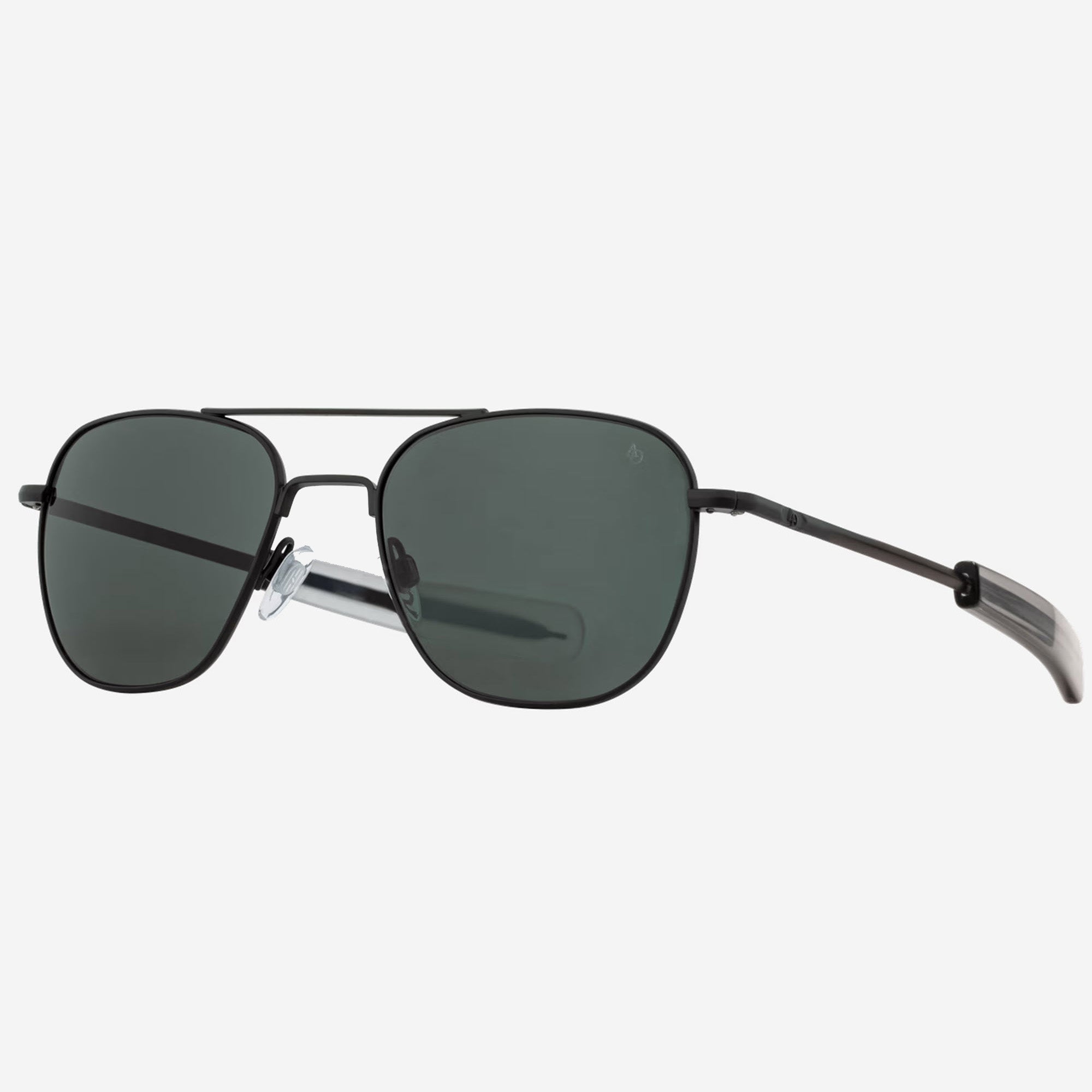
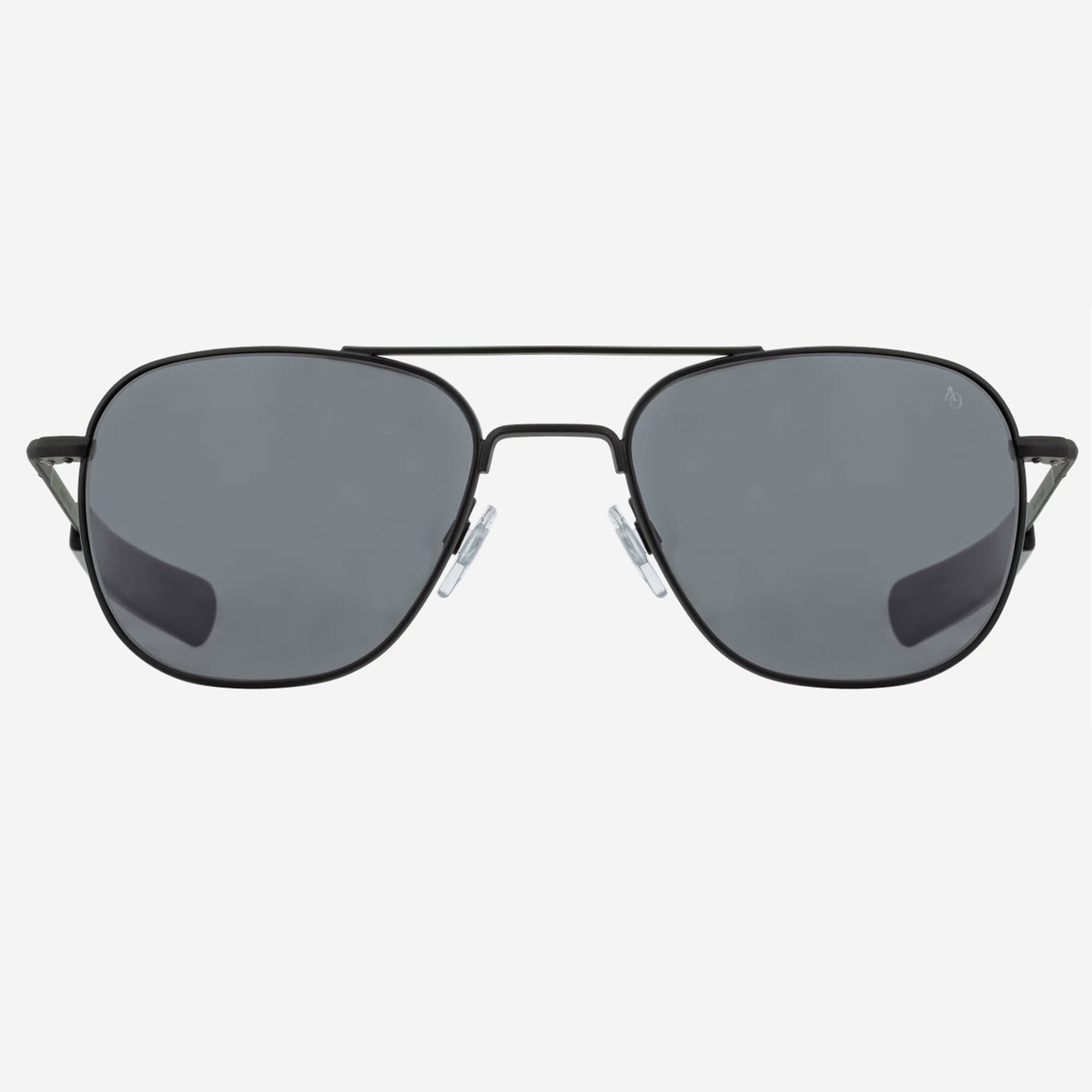
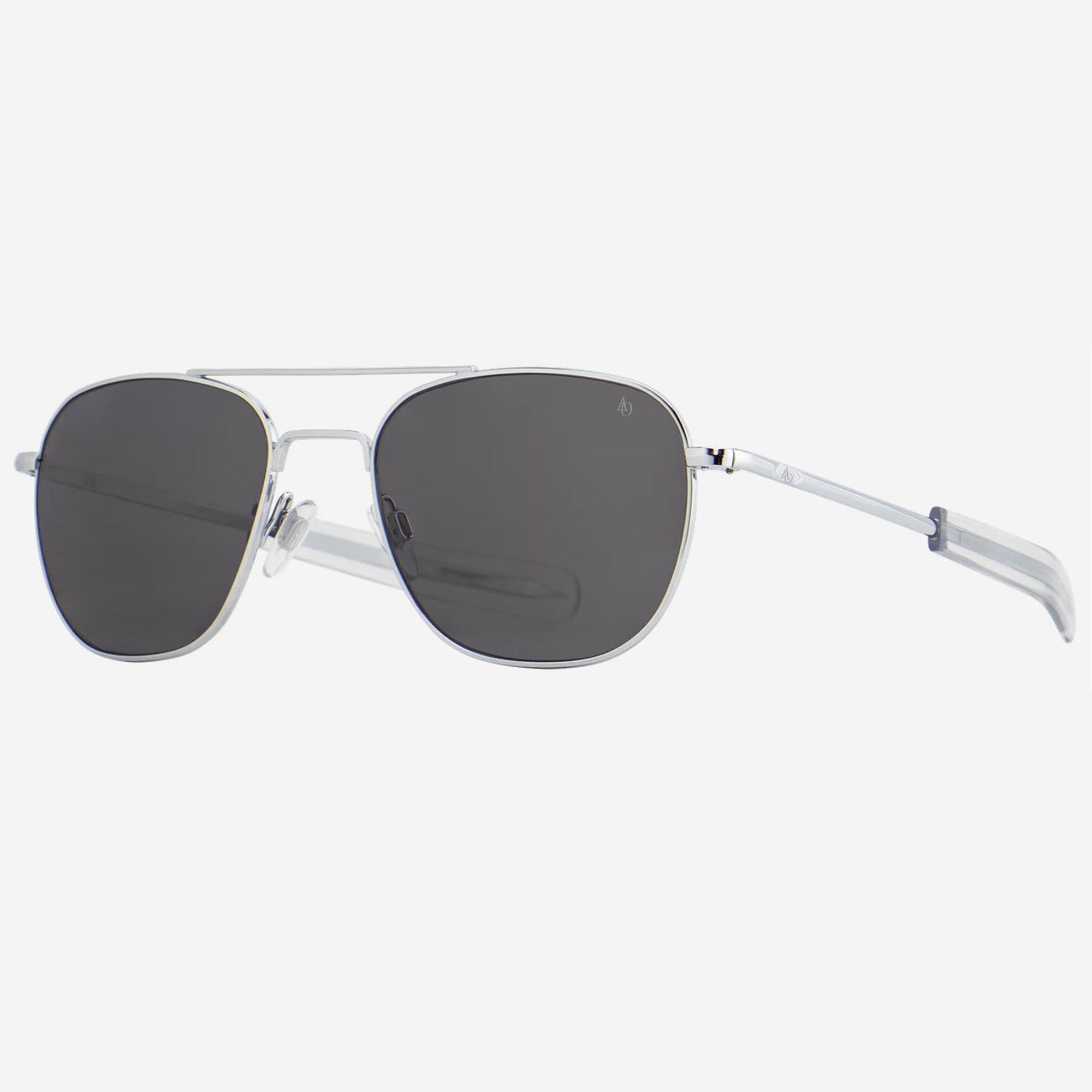
Subheading
AO Eyewear Pilot Sunglasses - Aviator Sunglasses AO
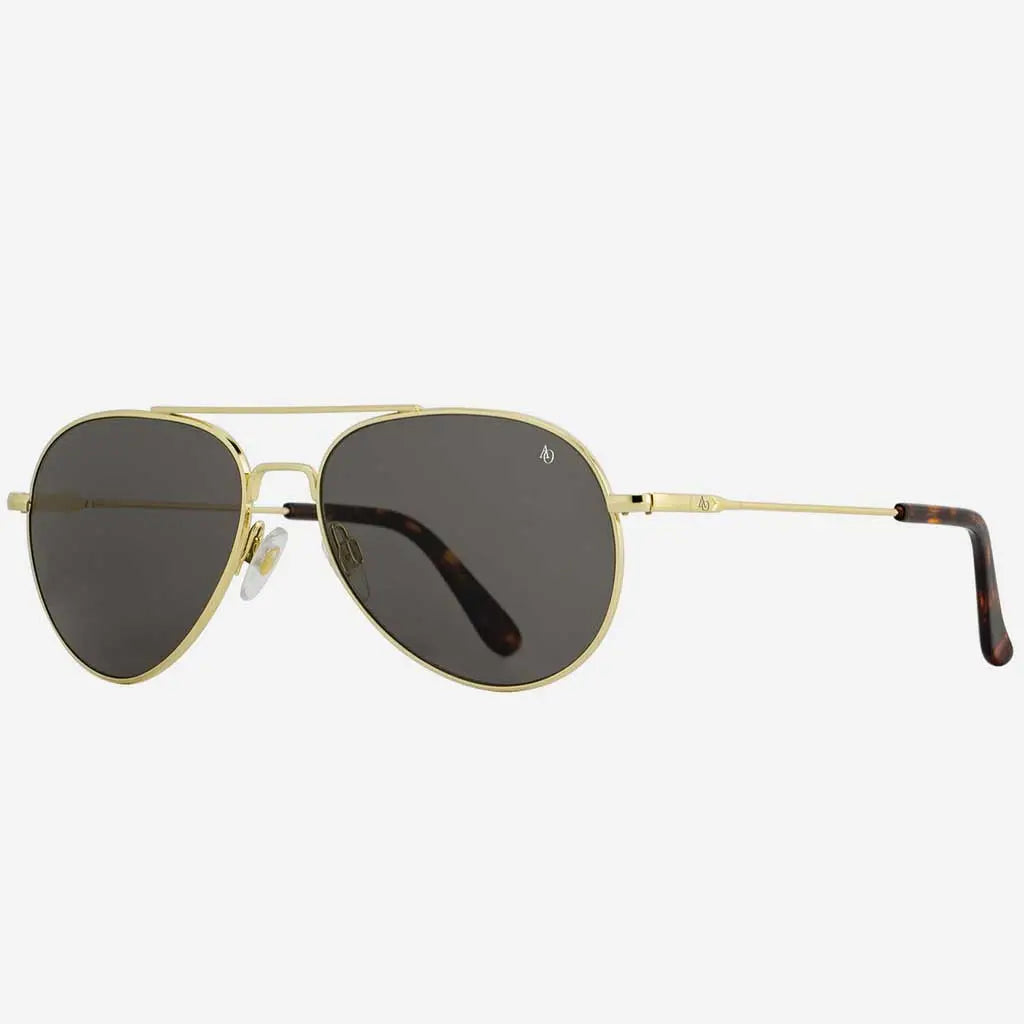
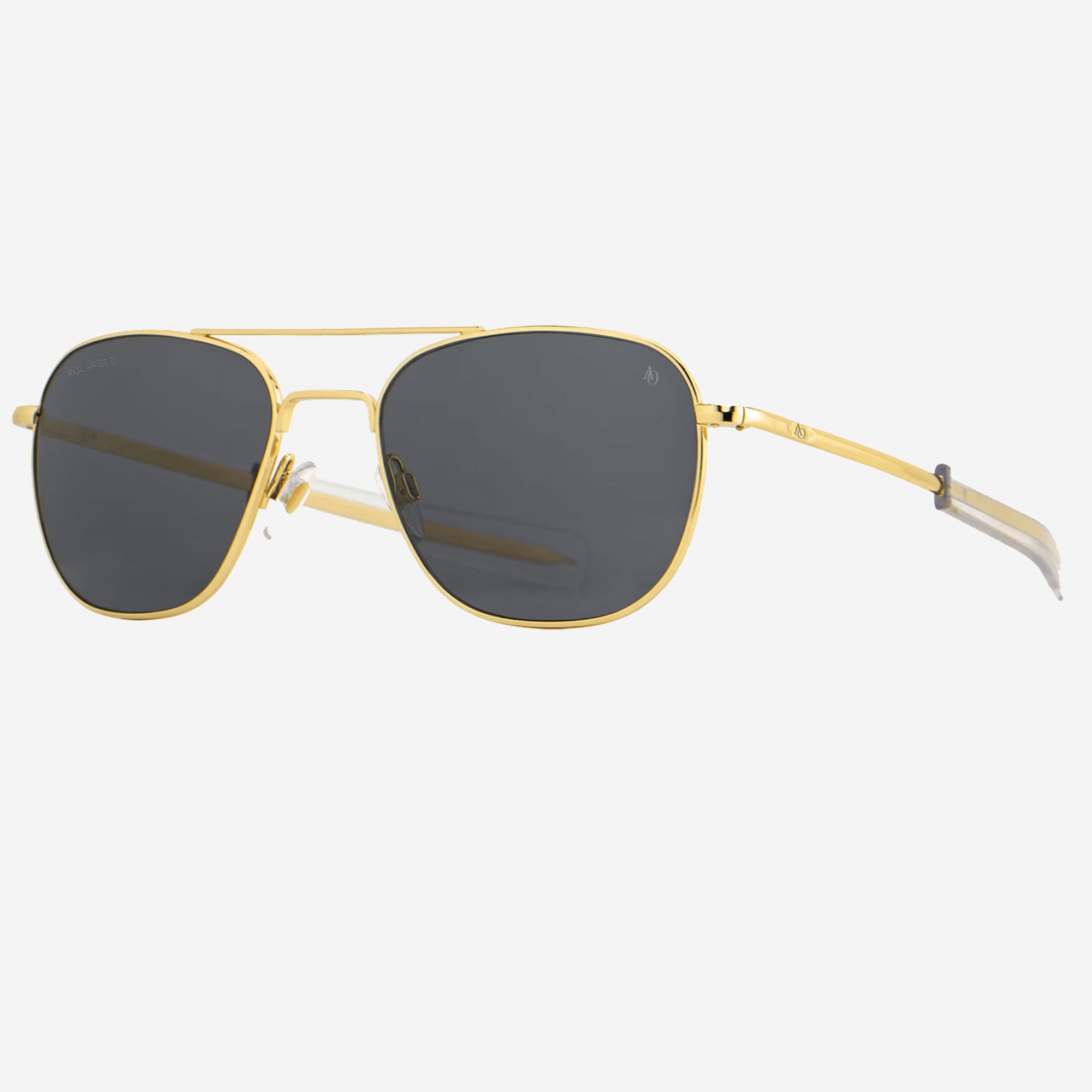
AO Original Pilot Sunglasses: The Legendary Eyewear That
Took Flight and Never Landed
When it comes to eyewear that has stood the test of
time—both in terms of quality and cultural relevance—few models can hold a
candle to the AO Original Pilot sunglasses. Crafted by American
Optical Corporation, one of the oldest and most respected eyewear manufacturers in the
world, these iconic shades are more than just stylish—they're a piece of
American history.
Whether you're a pilot cruising at 35,000 feet, a
vintage-style enthusiast, or someone who simply appreciates gear with a story,
the AO Original Pilot sunglasses have a legacy worth wearing.
Built for the Skies: Military Sunglasses-Grade Features
What makes the American Optical Original Pilot sunglasses so
special? For starters, they were literally built to withstand the rigors of
high-altitude flight and harsh environments. These American Made Sunglass feature:
- Bayonet
temples: Designed to slip easily under a flight helmet or headset
without compromising comfort or fit. - Impact-resistant
lenses: Engineered for optical clarity and safety, often made from
glass or polycarbonate. - Sturdy
metal frames: Built from corrosion-resistant materials, often with a
sleek matte or polished finish. - Neutral
gray lenses: To reduce brightness and maintain true color
perception—essential for pilots scanning the sky.
When American Optical says "built for pilots,"
they mean it. These sunglasses weren’t designed on a whim; they were tested and
refined in real-world aviation conditions.
Why Pilots Still Choose AO Today
Modern pilots still choose AO Original Pilot sunglasses
for the same reasons their predecessors did—performance, clarity, and
reliability. Pilot Sunglasses demand attention to detail, and visual accuracy is
non-negotiable when you're flying through glare, cloud layers, and sunbursts.
Unlike many mass-market sunglasses, AO lenses are optically
true, which means less distortion and better vision at all angles. They also
feature a flat lens curvature, minimizing visual warping, which is critical for
reading instruments or navigating visually.