

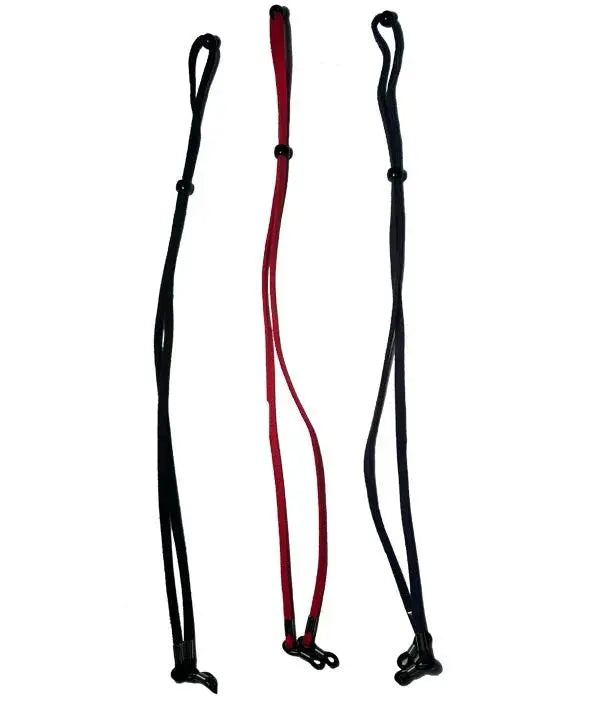

Headset Pressure Points: Fix Painful Flights
A headset that feels fine during preflight can become a distraction before the first hour is over. Add sunglasses with wide temples, a snug clamping headset, heat in the cockpit, and a long leg, and small contact areas can start to ache fast. Headset pressure points are not a minor comfort issue when they pull your attention away from instruments, radio calls, weather, or the task at hand.
Pilots often blame the headset first. Sometimes that is fair. But eyewear fit is frequently the missing part of the equation. The right sunglasses should protect your eyes and preserve visual clarity without creating a hard ridge under the ear seals or forcing the headset band to sit incorrectly. That is especially true for pilots who wear eyewear from engine start through shutdown.
Why headset pressure points develop
Aviation headsets work by applying consistent pressure around the ears to reduce noise. That clamping force is necessary, particularly in a noisy piston aircraft, helicopter, or older airframe. The problem begins when the headset is pressing over the thickest part of an eyeglass temple rather than against the side of your head.
Instead of distributing force evenly, the ear seal and temple create a narrow pinch point. Over time, circulation and skin sensitivity can become part of the problem. What begins as a slight hot spot may turn into pain at the temple, above the ear, behind the ear, or along the side of the head.
The trade-off is real: loosening a headset too much may reduce passive noise isolation, while choosing a frame that is too loose can make it shift when you look down at a chart, check a circuit breaker, or move through turbulence. The goal is not the least possible contact. It is stable eyewear and a proper headset seal with pressure spread across a larger, more forgiving area.
Common signs your eyewear is contributing
If discomfort occurs only when you wear sunglasses, your frames deserve a closer look. Deep marks at the temples after a flight, soreness that improves shortly after removing the headset, recurring headaches, or a headset seal that seems inconsistent are all useful clues.
You may also notice that the frame gets pushed out of alignment. The lenses can sit crooked, lift off the bridge of your nose, or move forward when the headset goes on. That changes where you are looking through the lens. With progressive prescription lenses, even a small shift can make instrument viewing less natural.
Frame temples matter more than most pilots expect
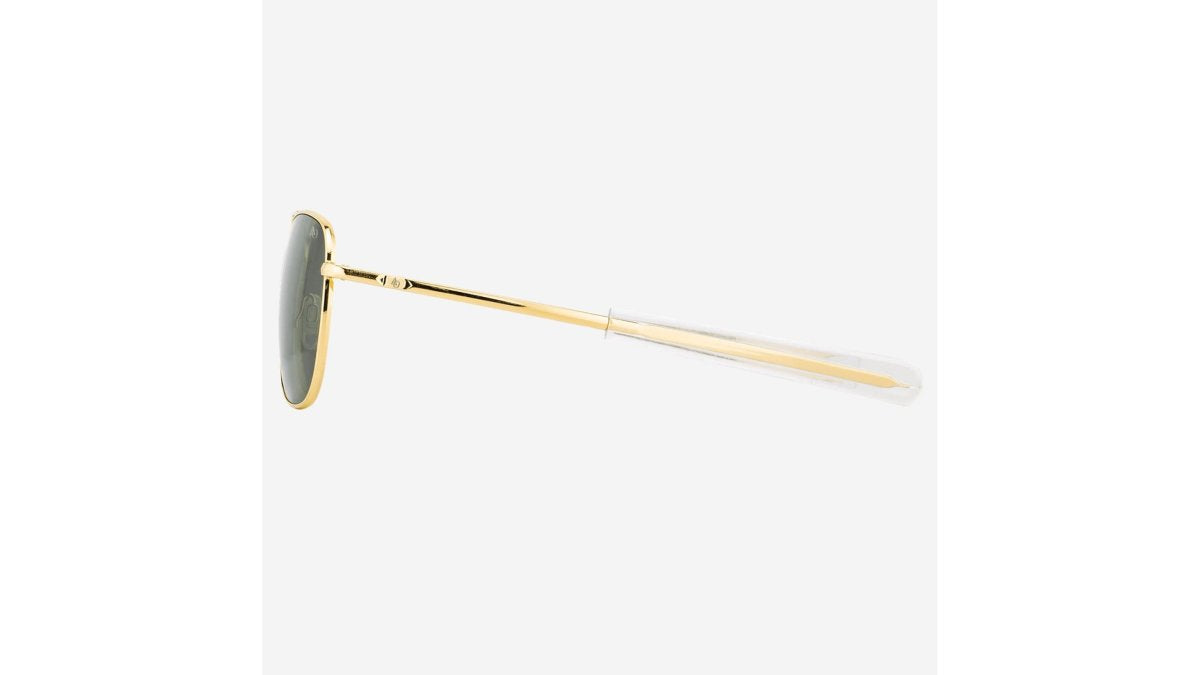
For headset use, temple design is often more important than the front shape of the frame. A good-looking pair of sunglasses can be a poor cockpit choice if the temples are bulky, heavily sculpted, or fitted with thick decorative hinges.
Thin, flat temples generally give a headset ear seal less material to compress. Some pilots prefer straight temples because they slide easily under an ear seal and do not crowd the area behind the ear. Others do better with slim cable temples that hold the frame securely without creating a thick stack under the headset. Neither option is universally better. Head shape, headset model, hairstyle, and how far back the ear cups sit all affect the result.
Frames specifically designed for aviation and headset wear usually reduce thickness where it matters most. That is purposeful engineering, not a cosmetic detail. The frame should sit securely enough for an active cockpit, yet disappear once the headset is in place.
Avoid the “thick temple” trap
Thick temples are common in fashion-oriented sunglasses because they create a bold profile and provide room for logos, hardware, or complex hinge designs. Under a headset, those same features can concentrate pressure and compromise the seal.
A frame does not have to be flimsy to work well under a headset. Durable, performance-built eyewear can still use thin temple geometry, flexible materials, and low-profile hinges. The key is managing thickness at the compression zone, not sacrificing strength across the entire frame.
Start with fit before buying another headset
Before replacing expensive equipment, assess how your current sunglasses fit without the headset. The frame should rest comfortably on the bridge of your nose without sliding, and the temples should touch lightly rather than squeeze your head. If the frame already feels tight on the sides, a headset will magnify that pressure.
Then put on your headset in the order you would use in flight. Place the glasses where you naturally wear them, set the ear cups carefully over the temples, and allow the headband to rest in its normal position. Do not force the cups down over the frame. If you have to push hard to seat them, the frame and headset are competing for the same space.
Check three things. First, does the headset seal feel even on both sides? Second, do the lenses remain level and centered in front of your eyes? Third, can you move your jaw, turn your head, and look down without the frames shifting? A setup that passes all three checks is far more likely to remain comfortable on a two- or three-hour leg.
Practical adjustments that can reduce pressure
A qualified optician can make small frame adjustments that materially improve comfort. Narrowing excessive temple spread, adjusting nose pads, or refining the temple bend can help the frame sit correctly before the headset is added. This is not a do-it-yourself job for every material. Heat-sensitive plastics, spring hinges, and prescription lenses can be damaged by improvised adjustments.
Headset adjustment also deserves attention. The headband should provide secure contact without excessive force. If your headset offers adjustable clamping tension, make changes gradually and test them in a safe setting. A lighter clamp may feel better on the ramp, but it is not the right answer if it creates more cabin noise or degrades communications in flight.
For pilots with long hair, hat bands, hearing aids, or earplugs, the available space around the ear seal becomes even more limited. In those cases, a low-profile frame is usually the most practical improvement. Trying to make every item fit through the same small contact area rarely works well.
Lens choice still matters in the cockpit
Comfort under a headset should never come at the expense of visual performance. Pilots need reliable UV protection, useful glare control, accurate color perception, and lens tints appropriate for their typical conditions.
Gray lenses are a versatile choice for bright daylight because they reduce overall brightness while maintaining natural color balance. Brown, copper, and certain contrast-enhancing tints can help define terrain and improve visual separation in variable light. The best option depends on where and when you fly. A pilot spending long days over water or snow faces a different glare environment than someone flying early-morning legs through changing Midwestern weather.
Polarization requires more consideration. It can be excellent for many outdoor activities, but some pilots prefer non-polarized lenses because polarized filters can interact with certain cockpit displays, windscreens, or instrument surfaces. Test your lens choice with the aircraft and avionics you actually fly whenever possible.
Prescription wearers should be equally deliberate. A poorly positioned progressive lens or a frame that rides too high under a headset can create unnecessary head movement when scanning instruments. A prescription solution built around your cockpit viewing distances and headset use can be a meaningful quality-of-life upgrade.
When pain means it is time to change the frame
Do not accept recurring soreness as the cost of flying. If you have adjusted the headset correctly, confirmed that its ear seals are in good condition, and still develop pain on routine flights, your sunglasses may simply be the wrong frame for headset duty.
The best cockpit eyewear is not necessarily the lightest frame or the narrowest frame. It is the one that stays put, protects your vision, works with your headset, and remains comfortable after hours in the seat. That may mean keeping a favorite pair for driving or everyday use and choosing a dedicated aviation frame for flying.
At Aviator Sunglasses, we see this often: the pilot who assumed all sunglasses feel the same under a headset finds that a purpose-built, low-profile frame changes the entire experience. Good advice starts with how you fly, which headset you wear, whether you need prescription lenses, and where the discomfort begins.
A comfortable cockpit is not about eliminating every point of contact. It is about removing the unnecessary ones, so your attention stays where it belongs - outside, on the panel, and ahead of the airplane.

Search this site
Recent Posts
-
John J. Doran Jr. and the O-2A Over the Ho Chi Minh Trail
November 13, 2026 -
The Lost Squadron: How a P-38 Spent 50 Years Under Greenland's Ice
November 06, 2026 -
The Perfect Gift Ideas for Pilots: From Sunglasses to Aircraft Models
October 03, 2026 -
Why Are Aircraft Wood Models Popular Among Collectors?
October 03, 2026

Leave a comment
This site is protected by hCaptcha and the hCaptcha Privacy Policy and Terms of Service apply.