

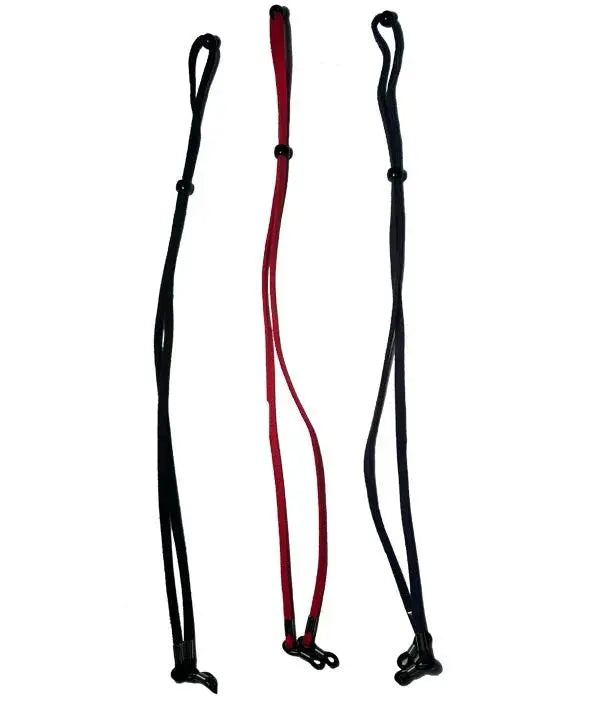


Sunglasses vs Headset Fit: Best Options for Bose A20
Last Updated: November 15, 2026
Quick Summary
Sunglasses that fit under Bose A20 headsets have thin, flexible temples, ideally around 1mm, that leave room for the ear cushions to seal. Pilots should put the sunglasses on before the headset and confirm the seal holds with no gap at the temple. Choosing non-polarized lenses also keeps cockpit instrument panels readable.
- Look for a temple about 1mm thick so the ear cushion can seal over it.
- Put the sunglasses on first, then the headset, so the cushions settle over the arms.
- Press each cup inward; a gap at the temple means the arm is too thick or stiff.
- Test the frame on your longest leg, since pressure pain can build by hour three.
- Choose non-polarized lenses to keep LCD and glass-cockpit displays readable.
Table of Contents
- Why Bose A20 Owners Struggle With Sunglasses
- How to Prevent Headset Temple Pain on Long Flights
- Thin Temple Sunglasses for Pilots: What Matters
- Comparing Flying Eyes Models Side by Side
- Keeping the Headset Seal Intact With Sunglasses
- Best Sunglasses That Fit Under Bose A20 by Use Case
- Choosing the Right Pair for Your Next Flight
- Frequently Asked Questions
Why Bose A20 Owners Struggle With Sunglasses
Sunglasses that fit under a Bose A20 headset are harder to find than most pilots expect. The headset's tight ear cups press against the temples, and a thick frame can break the seal that keeps cockpit noise out and active noise reduction working. As a USAF veteran and Airline Transport Pilot, I have flown with this problem for years.

The core issue is geometry. Standard frames wrap around the ears, and the headset wants that same space, so finding sunglasses that fit under Bose A20 cups comes down to frame profile.
How to Prevent Headset Temple Pain on Long Flights
Headset temple pain is not random. On the Bose A20 it concentrates at two points: where the temple arm crosses the top edge of the ear cushion, and where the temple tip presses behind the ear against the headband's clamping force. Over a six-hour leg, that pressure becomes a hotspot long before the flight ends. The fix starts with the frame and the order you put things on, not with cranking the headset tighter.
Headsets clamp firmly so the ear cushions can seal, and a temple arm placed between the cushion and your head can interfere with that seal and cause discomfort.
A repeatable pre-flight check helps more than any single product claim:
- Put the sunglasses on first, then the headset, so the ear cushions settle over the temple arms rather than on top of them.
- Tighten the headset only until the seal holds. If you have to over-tighten to get quiet, the temple is likely breaking the seal.
- With the headset on, gently press each cup inward. If a gap opens at the temple, the arm is too thick or too stiff at the contact point.
- On the ground, turn your head left and right and tilt down as if scanning instruments. A frame that shifts or lifts the cushion will do the same in flight.
- After an hour, note exactly where soreness starts. A hotspot at the top of the ear points to temple thickness; soreness behind the ear points to temple-tip pressure or a headband that is too tight.
Watch out: a frame that feels fine for twenty minutes on the ground can still create a hotspot by hour three, because pressure pain builds gradually, test on your longest leg, not your shortest.
| Symptom | Likely Cause | Practical Fix |
|---|---|---|
| Pain at the top of the ear after an hour | Thick or stiff temple pressing on the cushion edge | Switch to a thinner, flexible temple |
| Noise leaks in at the side | Temple lifts the cushion off the head | Choose a low-profile arm and re-seat the cup over it |
| Soreness behind the ear | Temple tip pressure or over-tight headband | Adjust the tip or loosen the headband to seal-only |
| Frame slides during turns | Loose fit | Pick a narrower or better-fitted size |
| Headache across the brow | Headband over-tightened to compensate for a leak | Fix the temple first, then re-tighten |
The Federal Aviation Administration advises that sunglasses should stay secure during sudden head movements, so a frame that slides around is a safety concern as well as a comfort one FAA guidance on sunglasses for pilots. The practical takeaway is that the best headset-friendly frame is the thinnest one that still holds your face securely without needing the headset to clamp it in place.
Thin Temple Sunglasses for Pilots: What Matters
When you compare sunglasses for headset use, temple thickness matters more than most buyers expect. A thin, flexible arm leaves room for the cup and keeps the seal intact. Material matters too. Resilamide temples bend without bulk, while titanium frames stay light over long flights.
Lens choice matters just as much for the cockpit. Polarized lenses can interfere with LCD and glass-cockpit displays, which is why the FAA does not recommend them in aviation FAA sunglasses guidance for pilots. Non-polarized lenses keep instrument panels readable, and that is the standard we recommend for flying. Non-polarized lenses preserve display visibility, while a comfortable fit over glasses also matters when choosing eyewear for any helmet, as the Helmet Shop explains.
Comparing Flying Eyes Models Side by Side
The table below compares the Flying Eyes models we carry on temple thickness, flexibility, frame material, and lens type so you can match a frame to your face and your flying.
| Model | Temple | Frame material | Lens and protection | Best for |
|---|---|---|---|---|
| Ninox | 1mm Resilamide | Resilamide | Shatterproof polycarbonate, UV400 | Daily headset wear at a lower weight |
| Peregrine Titanium | 1mm | Pure titanium | Non-polarized lens options | Long cross-country legs; light frame |
| Kingfisher | 1mm | Resilamide-style frame | ANSI Z87.1 impact rating; wider lens | Instrument-heavy flying; larger field of view |
| Golden Eagle Sport | Slim temple | Sport frame | ANSI Z87.1 rated; highest lens curvature | Wrap coverage for mixed outdoor use |
What the comparison actually tells you
The 1mm temple on the Ninox, Peregrine Titanium, and Kingfisher is the number that matters most under an A20, because that is the dimension that sits between the cushion and your head. A 1mm arm leaves room for the cushion to compress and seal; a thicker acetate or fashion-frame temple does not. Flexibility matters just as much as thickness, a stiff 1mm arm can still press, while a Resilamide or titanium arm that gives slightly at the hinge tends to distribute pressure instead of concentrating it.
Lens choice is where cockpit use diverges from everyday wear. Polarized lenses can interfere with LCD and glass-cockpit displays, which is why the FAA does not recommend them in aviation FAA sunglasses guidance for pilots. Non-polarized lenses are the standard we recommend for flying.
Matching the frame to your face and headset
Fit varies by head shape and by how the A20 sits on your head, so treat the table as a starting point. The Peregrine Titanium comes in Narrow and Standard fits, and the Kingfisher is available in Narrow and Wide sizes. Compare size options on each product page before ordering.
For a fuller look at comfort and fit across headset types, see our guide on preventing headset temple pain.
Keeping the Headset Seal Intact With Sunglasses
The seal is what keeps cabin noise out and lets active noise reduction work. Check the seal with the sunglasses on, before you take off. Press the cups in gently and confirm no gap opens at the temple.

If the seal breaks, the most common cause is a thick arm sitting on the cup's edge. A low-profile temple solves that in most cases. Flying Eyes frames built for headsets are designed for this, but fit varies by face and headset, so test before you fly. For a fuller look at comfort and fit, see our guide on preventing headset temple pain.
Best Sunglasses That Fit Under Bose A20 by Use Case
Choose based on how you fly:
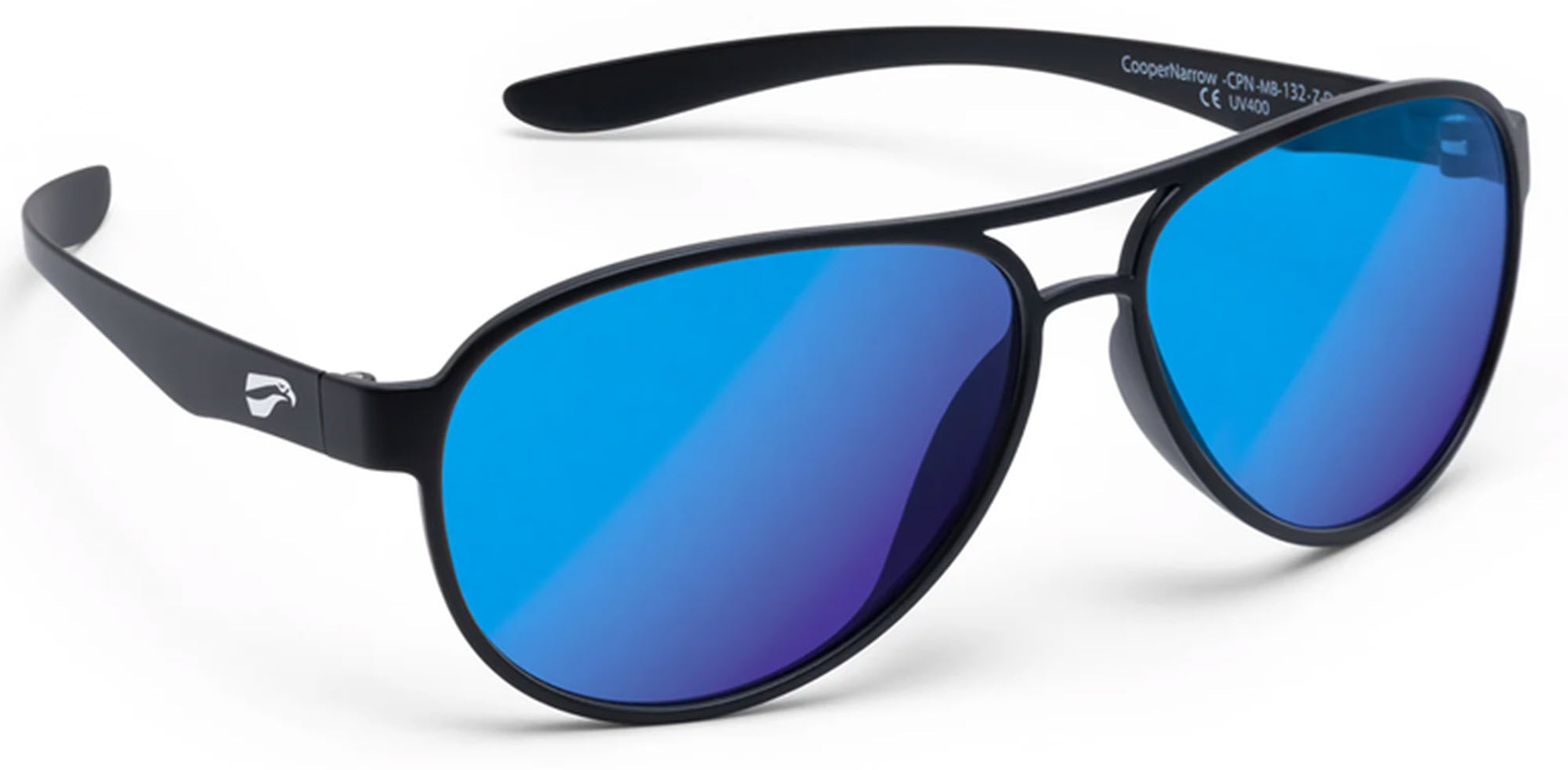
The Flying Eyes Ninox features 1mm Resilamide temples and shatterproof polycarbonate lenses designed for comfort under headsets.
Choosing the Right Pair for Your Next Flight
Start with the headset fit. Check it with each pair before you buy, and pick a thin temple that still holds your face securely. Then choose a non-polarized lens for panel visibility.
Ready to compare? Browse the Flying Eyes Ninox and other headset-friendly models and find the pair that sits comfortably under your Bose A20.
Frequently Asked Questions
Will sunglasses fit under a Bose A20 headset without causing pain?
Thin, flexible temples are the main factor. Flying Eyes models such as the Ninox and Peregrine use 1mm Resilamide temples designed to slide under headset ear cups without pressure points. Fit still varies by face and headset, so try a pair with your headset on before a long leg. Thick, rigid temples are the most likely to break the ear seal and pinch after several hours.
Do thin temples help preserve the headset seal?
They can. A temple that sits flat against the head leaves the ear cup free to form a seal. Flying Eyes describes its 1mm temples as designed to avoid breaking the seal and noise leakage under headsets. The temple profile is worth checking before you buy.
Should pilots choose polarized lenses with a Bose A20?
Non-polarized lenses are the safer choice for cockpit use. Non-polarized lenses keep cockpit displays readable. Lens tint can still be chosen for glare reduction, contrast, or color accuracy.
Which Flying Eyes model is best for a Bose A20 headset?
It depends on your face shape and how you fly. The Peregrine Titanium offers twelve lens tints in Narrow and Standard fits. The Ninox uses skull-style temples that wrap the head rather than the ears. The Kingfisher Modern offers a larger lens. Compare the fit options on each product page before ordering.


Written by John M. White

Search this site
Recent Posts
-
John J. Doran Jr. and the O-2A Over the Ho Chi Minh Trail
November 13, 2026 -
The Lost Squadron: How a P-38 Spent 50 Years Under Greenland's Ice
November 06, 2026 -
The Perfect Gift Ideas for Pilots: From Sunglasses to Aircraft Models
October 03, 2026 -
Why Are Aircraft Wood Models Popular Among Collectors?
October 03, 2026


Leave a comment
This site is protected by hCaptcha and the hCaptcha Privacy Policy and Terms of Service apply.