
Cockpit UV Exposure: What Pilots Need to Know
A bright day at altitude can feel deceptively comfortable behind an aircraft windshield. The cabin may be cool, the glare may look manageable, and the mission may only last an hour. Yet cockpit UV exposure is not determined by how hot the sun feels or whether your eyes are watering. It is shaped by altitude, aircraft window material, flight direction, reflective surfaces, and the eyewear sitting between your eyes and the view outside.
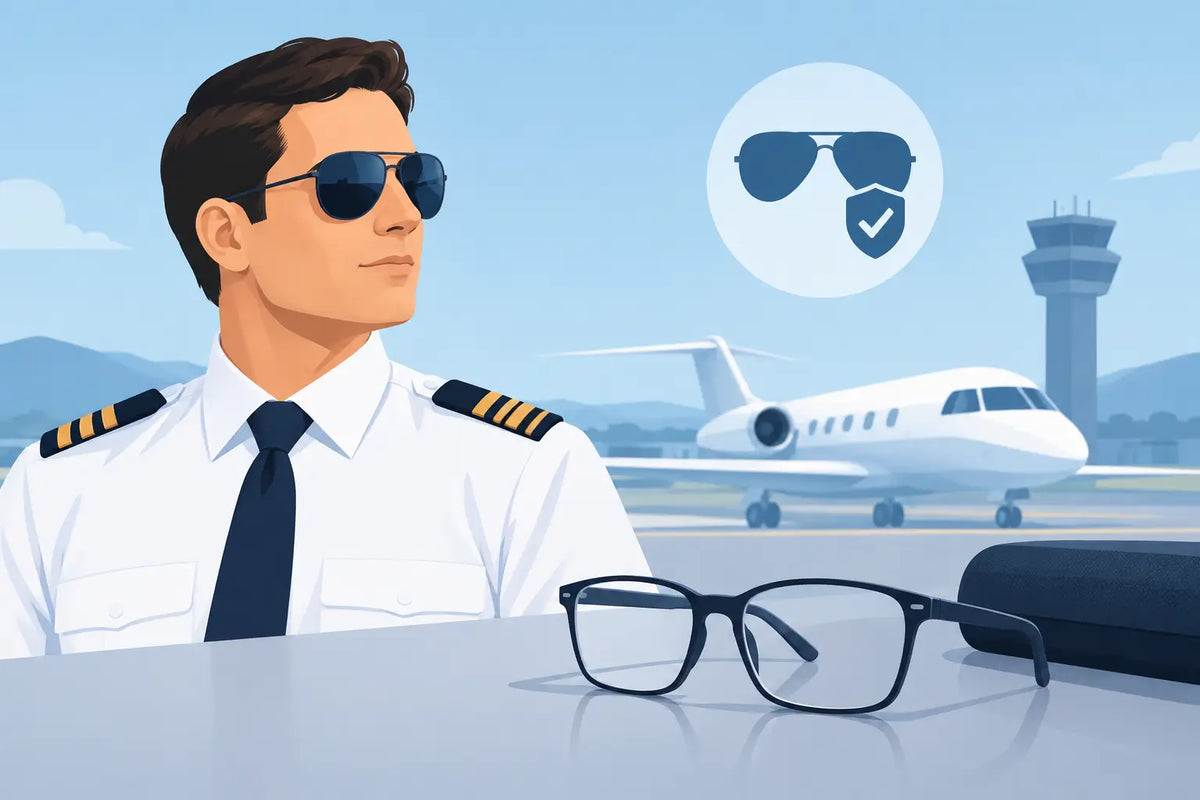
For pilots, sunglasses are not a fashion accessory to grab at the ramp. They are part of the visual system used to spot traffic, read terrain, monitor weather, and stay comfortable through a long leg. The right pair needs to block ultraviolet radiation while preserving the color recognition, contrast, instrument readability, and headset comfort that flying demands.
Why Cockpit UV Exposure Deserves Attention
Ultraviolet radiation sits outside the visible spectrum, which means your eyes cannot reliably judge it by brightness alone. UVB is commonly associated with surface-level sunburn, while UVA penetrates more deeply and is present throughout daylight hours. Both are relevant to long-term eye and skin health, particularly when exposure adds up over years of flying, driving, fishing, or working outdoors.
Altitude changes the equation. With less atmosphere above the aircraft, there is less filtering of solar radiation. The difference on a short flight at moderate altitude may not feel dramatic, but pilots who fly regularly accumulate exposure over hundreds or thousands of hours. High-wing and low-wing aircraft can create different patterns as well. A high wing may shade the upper windshield at some sun angles, while a low wing can leave side-window exposure more open. There is no single cockpit geometry that eliminates the issue.
Reflected light matters, too. Water, snow, pale concrete, cloud tops, and even a broad aircraft cowling can direct light upward into the cockpit. That is one reason a pilot can experience eye fatigue on a hazy or partly cloudy day even when the sun is not directly in front of the airplane.
The practical concern is not simply UV exposure in isolation. It is the combination of UV, glare, visual fatigue, and a demanding task environment. When your eyes are working harder to maintain a clear outside scan, comfort and safety margins can suffer.
Aircraft Windows Help, but They Are Not Sunglasses
Many aircraft windshields and windows provide meaningful UV protection, especially against UVB. That is useful, but it should not be mistaken for complete personal protection. Transmission varies by aircraft type, window material, age, thickness, tint, coatings, repairs, and replacement history. Side windows, skylights, and doors can also behave differently from the windshield.
A pilot who assumes every window blocks all UVA is making a decision on incomplete information. Unless the aircraft manufacturer provides clear, current specifications for that exact glazing, the more reliable approach is to wear eyewear with verified full-spectrum UV protection.
Window condition also changes what reaches your eyes in a more immediate way. Scratches, crazing, haze, and degraded coatings scatter light. They may not increase UV transmission in a predictable way, but they can increase glare and reduce contrast. A good sunglass lens cannot fix a compromised windshield, although it can reduce the strain caused by intense light.
This is also why darker lenses are not automatically safer lenses. Tint reduces visible light. UV protection comes from the lens material and filtering treatment, not simply from a dark appearance. A lens labeled for 100% UVA and UVB protection, often described as UV400 protection, is the baseline to look for.
Choose Lenses for Protection and Flight Tasks
A cockpit lens has to do more than block UV. It needs to maintain useful vision across bright ramps, layered clouds, shaded panels, and changing weather. The best choice depends on the aircraft, panel design, typical mission, and your own light sensitivity.
A neutral gray lens is often a sound all-around choice because it reduces brightness with minimal color shift. That helps pilots retain a natural view of terrain, traffic, signal lights, and changing weather. A brown or copper-based lens can improve perceived contrast for some people, especially in variable light or haze. Neither color is universally better. The right answer is the one that gives you relaxed, clear vision without distorting information you need to interpret.
Lens darkness deserves the same practical judgment. A medium tint is often more versatile than an extremely dark lens because it can remain useful when the cockpit transitions from open sun to cloud shadow. A very dark lens may feel great at cruise on a clear summer day but make panel work, chart reading, or a late-day approach less comfortable. Pilots who operate near sunrise or sunset may be better served by a lighter, high-quality tint than by maximum darkness.
Polarization requires a more careful decision. It can be exceptionally effective at cutting reflected glare from water, windshields, and bright surfaces. But some polarized lenses can interact with LCD displays, avionics screens, and certain cockpit transparencies, making them look dim, blotchy, or rainbow-colored at particular head angles. Many pilots therefore prefer non-polarized lenses for primary flight use. Others use polarization successfully in aircraft with compatible displays. Test the lens with your actual panel before relying on it in flight.
Fit Is Part of Eye Protection
A lens can have excellent UV filtering and still underperform if the frame leaves large gaps at the sides or rides too far from the face. Direct and reflected light can enter around the lenses, especially when the sun is low on the horizon. A frame with sensible coverage, good lens height, and a stable fit offers better real-world protection than a smaller lens that looks good but leaves the eye area exposed.
For headset users, comfort has operational value. Thick temples can create pressure points under ear seals and break the acoustic seal of some headsets. That can lead to headaches, reduced noise attenuation, or the constant distraction of adjusting your eyewear. Frames designed with thin, flexible, or low-profile temples generally work better under aviation headsets, but the exact fit depends on your head shape and equipment.
Prescription pilots should not accept optical compromises just to get sun protection. Prescription sunglasses, clip-on systems, and purpose-built aviation frames can provide UV defense while keeping the corrective optics you need. The key is to confirm that the prescription lens material, coating, frame geometry, and lens size work together. A poor wrap fit or misaligned progressive corridor can create distortion precisely where a pilot needs a clean view.
A Practical Preflight Check for Sunglasses
Before making a pair your regular flight eyewear, use it in the environment where it will actually work. Look through the lenses at your primary flight display, backup instruments, phone or tablet, chart, and exterior view. Turn your head through normal scan angles. Check whether the frame blocks peripheral vision, whether the lenses create unwanted reflections, and whether the temples remain comfortable after 20 minutes under your headset.
Pay attention to lens condition as well. Deep scratches, coating damage, and persistent haze are more than cosmetic problems. They scatter light and can make a bright cockpit feel harsher than it should. Clean lenses with water, proper lens cleaner, and a clean microfiber cloth. Dry-wiping dust or using an abrasive shirt tail can shorten the useful life of premium optics.
It also helps to keep a dedicated cockpit pair rather than rotating through whatever sunglasses are in the vehicle. Your aviation pair should be predictable: known UV protection, known display compatibility, and a fit you have already tested. Keep a protective case in the flight bag and inspect the lenses before a trip, particularly after hot-weather storage.
When One Pair Is Not Enough
A pilot who flies in bright daytime conditions, drives home after a late landing, and spends weekends on the water may reasonably need more than one lens solution. A non-polarized aviation lens can be the primary flight tool, while a polarized pair may be ideal for fishing or boating. Clear prescription eyewear with UV protection can cover overcast operations and ground duties. The goal is not to buy more gear for its own sake. It is to avoid forcing one compromise lens into tasks with different visual demands.
At Aviator Sunglasses, the recommendation should begin with how and where you fly, what headset you wear, whether you use digital displays, and whether you need prescription correction. Honest fit and lens guidance is more useful than a generic claim that one frame is right for every cockpit.
Your eyes do not get a fresh start at each takeoff. Choose eyewear that earns its place in the flight bag: verified UV protection, clear optics, dependable coverage, and comfort that lets you keep your attention where it belongs - outside the aircraft and ahead of the mission.

Search this site
Recent Posts
-
The Perfect Gift Ideas for Pilots: From Sunglasses to Aircraft Models
October 03, 2026 -
Why Are Aircraft Wood Models Popular Among Collectors?
October 03, 2026 -
Jimmie Angel, Aviator, Explorer, Prospector
September 19, 2026 -
Imagine Finding Yourself In A Freefall from 28,000 Feet!
July 31, 2026

Leave a comment
This site is protected by hCaptcha and the hCaptcha Privacy Policy and Terms of Service apply.