
Article: Do Polarized Sunglasses Black Out Glass Cockpit LCDs?
Do Polarized Sunglasses Black Out Glass Cockpit LCDs?
Last Updated: November 9, 2026
Quick Summary
Non-polarized lenses are the recommended glass cockpit sunglasses for pilots, because polarization can dim, color-shift, or black out LCD displays at certain head angles. Choose a non-polarized pair, then test it against your own panel and tablet before you fly with it.
- The FAA identifies possible display interaction as a reason to avoid polarized lenses in the cockpit.
- Polarized lenses can dim screens, cause rainbow effects, or nearly black out a display from specific angles.
- Test each display separately, including your tablet, at the head positions you actually use.
- Industry guidance cited by Aerocorner recommends screening out between 70% and 85% of visible light.
- Gray tint is the safest default for glass cockpit work because it distorts color the least.
Table of Contents
- Why Polarized Lenses Can Black Out Glass Cockpit LCD Displays
- Polarized vs Non Polarized Sunglasses: What Changes in the Cockpit
- Non Polarized Sunglasses for Pilots: The Recommended Starting Point
- Sunglasses for Glass Cockpit Displays: A Test Procedure Before You Fly
- The Best Sunglasses for Pilots: Six Cockpit-Ready Picks
- Lens Selection Beyond Polarization: Tint, VLT, and Frame Fit
- Find Your Cockpit-Compatible Pair at Aviator Sunglasses
- Frequently Asked Questions
Why Polarized Lenses Can Black Out Glass Cockpit LCD Displays
The short answer to which glass cockpit sunglasses are recommended for pilots to avoid black-out effects on glass cockpit LCD displays: non-polarized lenses. Polarized lenses carry a filter that aligns with light reflected off flat surfaces, and a cockpit display is exactly that kind of surface.
The Federal Aviation Administration's guidance on sunglasses for pilots identifies possible display interaction as a reason to avoid polarized lenses in the cockpit. That is the core of the problem. A polarized lens can cut the light coming off an LCD at certain angles, and the instrument you need most can fade at the worst moment.
Aviator Sunglasses offers eyewear built for this exact concern. The fix is simpler than most buyers expect: choose glass cockpit sunglasses with non-polarized lenses, then test them in your own aircraft before you trust them.
How Polarization Interacts With a Display's Viewing Angle
Polarization is a filter, not a tint. It blocks light waves oriented in one direction, which is why it kills glare off water and windshields so well.
That same filter does not care whether the flat surface is a lake or a primary flight display. Tilt your head, and the angle between the lens and the screen changes. The screen brightness changes with it.
Display Dimming, Rainbow Effects, and Full Blackout
Pilots report three symptoms, not one. Some screens dim noticeably. Others show a rainbow effect or color shift. In the worst cases, the display goes nearly black from a specific head angle.
The UK Civil Aviation Authority's reported caution on polarized lenses describes reduced visibility of some LCD displays rather than a guaranteed blackout on every panel. That distinction matters: your aircraft, your display, and your head position decide how bad it gets.
Polarized vs Non Polarized Sunglasses: What Changes in the Cockpit
Non-polarized lenses reduce overall brightness without filtering by light direction. That means your LCD displays, your tablet screen, and your windscreen all stay readable at any head angle.
Polarized lenses still have a place. For fishing, boating, and driving, they cut reflected glare better than anything else. The trade-off is cockpit readability.
| Feature | Non-Polarized | Polarized |
|---|---|---|
| LCD and glass cockpit displays | Stays readable at any angle | Can dim, shift color, or black out |
| Glare off water and glass | Reduced, not eliminated | Maximum elimination |
| Aircraft windshield distortion | Minimal | Can show stress patterns |
| Best use | Flying, cockpit work | Fishing, boating, driving |
For a deeper look at how polarization behaves against avionics, read our guide on glass cockpits and polarized sunglasses. If you have already decided to go non-polarized, our breakdown of sunglasses for glass cockpit displays that work covers tints and headset fit.
Non Polarized Sunglasses for Pilots: The Recommended Starting Point
Non-polarized sunglasses are the recommended starting point for any pilot flying a glass cockpit. They keep every display readable while still screening the light that causes squinting and fatigue.
Our pick for a first pair is the Eagle Eyes Freedom Non-Polarized Aviator Military Style Pilot Sunglasses. The lens technology comes from optics research originally created for NASA, and it blocks 99.9% of UVA and UVB radiation. The lightweight stainless steel frame is comfortable for long flights, and the adjustable silicone nose pads provide a custom fit.

Best for: pilots who want a proven non-polarized aviator at an accessible price. Skip if: you need a wraparound for maximum peripheral glare control.
Sunglasses for Glass Cockpit Displays: A Test Procedure Before You Fly
Test your sunglasses against your own panel before every first flight with a new pair. The interaction depends on your lens, your display, and your head position together, so a simple check on the ground is worth doing.
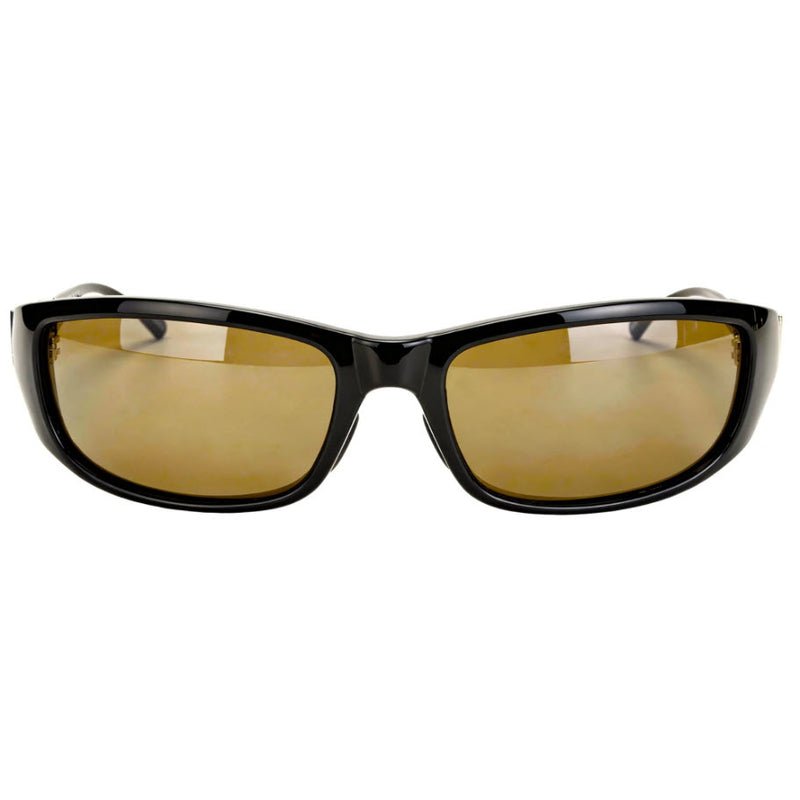
Here is a procedure you can follow:
- Put the sunglasses on in the cockpit with the panel powered up and the brightness set where you actually fly it, not dimmed for a dark hangar.
- Look directly at the primary flight display and note brightness and color fidelity.
- Slowly tilt your head left, right, up, and down through your normal scan range, pausing at the extremes of your scan rather than only at center.
- Repeat against the multifunction display, the engine or systems page, and your electronic flight bag tablet.
- Check the windscreen view for distortion or stress patterns at a low sun angle.
- Turn your head toward a side window at low sun angle and confirm glare control is still adequate.
- Repeat steps 2 through 4 with the panel at a second brightness setting, since some interference only appears at one end of the dimmer range.
- Only then fly with them.
Watch out: testing only at high noon on a bright ramp can hide a dimming problem that appears at dusk when the panel is turned down and your pupil is dilated.
Testing Against Each Display Type in Your Panel
Not all screens behave the same, and the reason is physical rather than brand-specific. A liquid-crystal display works by passing light through a polarizing filter layer, so a polarized sunglass lens stacked on top of it acts like a second filter.
Other display types behave differently. OLED panels emit their own light and do not rely on a backlight passing through a polarizing layer in the same way, so they are generally less prone to the crossed-filter blackout, though some still show brightness or color shift at extreme angles.
Screen orientation matters as much as screen type. A display mounted at an angle to your normal line of sight, or a tablet on a kneeboard or window mount, can sit at a different polarization orientation than the panel in front of you.
Test each screen separately, including your tablet, and test at the head positions you actually use, including a glance down at a kneeboard and a look over your shoulder in the pattern.
The Best Sunglasses for Pilots: Six Cockpit-Ready Picks
Every pair below uses non-polarized lenses, which is the single requirement that matters most for glass cockpit work.
1. Eagle Eyes Freedom Non-Polarized Aviator ($79.95). NASA-origin lens technology, three sizes, four lens colors, and a lightweight stainless frame.
2. Method Seven Pilot Clip-On Sunglasses ($80.00). Designed to clip over prescription glasses. Notch Filtering Technology sharpens contrast, and the non-polarized lens keeps your instruments crisp.
3. Waylite Sunglasses by Scheyden ($129.00). The classic Wayfarer shape with ultra-low-profile temples, engineered for aerobatic pilots flying under tight headsets.
4. Method Seven Interceptor Pilot Sunglasses ($175.00).
5. Method Seven Altitude FLT18 Pilot Sunglasses ($225.00).
6. Scheyden C-130 Titanium Pilot Sunglasses ($309.00). Titanium frame, true mineral glass lenses, and a three-year warranty. Bronze glass adds contrast in hazy conditions; gray glass gives true color.
Best for: the C-130 suits pilots who want mineral glass clarity and a long warranty. Skip if: you want the lowest entry price.
Prices of six non-polarized cockpit-ready sunglasses
Lens Selection Beyond Polarization: Tint, VLT, and Frame Fit
Polarization is the first decision, not the only one.
Industry guidance cited by Aerocorner's 2026 pilot sunglasses guide recommends screening out between 70% and 85% of visible light. That range is a starting point, not a rule.
Tint color changes what you perceive, not just how bright the scene is. Neutral gray preserves natural color perception, which helps you spot warning lights, annunciators, and navigation displays without a color cast.
Visible-light transmission, or VLT, is the number to compare across lenses. A lens in the high teens to low twenties percent VLT is a general-purpose daylight lens. A lens in the thirties is better for overcast, dawn, and dusk.
Lens material matters too. Our comparison of glass versus nylon sunglass lenses breaks down the trade-offs, and our guide to selecting lens darkness and VLT goes deeper on UV and infrared protection.
Frame fit decides comfort on hour six and, more importantly, whether your headset seal survives. Slim temples that slip under your headset without breaking the acoustic seal are worth more than any lens upgrade. Watch out: a frame that presses on your temples will break the ear-cup seal on a long leg, and you will miss radio calls before you notice the pressure. Wraparound shapes cut side glare and peripheral light, which matters in high-glare environments, but they can also interfere with some headset ear cups, test the combination, not the glasses alone.
Find Your Cockpit-Compatible Pair at Aviator Sunglasses
The right pair protects your vision and keeps every display readable from taxi to touchdown.
Every pair we carry comes with a warranty of at least one year, and replacement lenses are offered if a lens breaks or gets scratched. Free shipping, returns, and exchanges are offered for customers in the USA only. Customer service is performed by real, live people, not AI.
Get started with Aviator Sunglasses and fly with a pair that keeps your panel clear at every head angle.
Frequently Asked Questions
Can polarized sunglasses really make a glass cockpit display appear black?
Yes, depending on your head angle. Polarized lenses filter light in one plane, and LCD screens also emit polarized light. When the two align the wrong way, the primary flight display or multifunction display can dim sharply, show rainbow artifacts, or go completely dark. The FAA's sunglasses guidance for pilots notes possible display interaction as a reason to avoid polarized lenses, and UK Civil Aviation Authority material reportedly cautions that polarization can reduce the conspicuity of some LCD displays. Because the effect varies with viewing angle, a lens that looks fine on the ground can fail you in a turn.
Are non polarized sunglasses for pilots always the better choice?
For aircraft with glass cockpit displays, yes. Non-polarized lenses keep LCD and tablet screens readable at every head angle and avoid distortion through aircraft windows. Non-polarized lenses are a sound starting point for any glass-cockpit aircraft. Polarized lenses still make sense for fishing, boating, and driving, where maximum glare elimination from reflective surfaces matters more than screen readability. If you fly and fish, keep a separate pair for each.
How can pilots check sunglasses with their cockpit displays?
Do it before flight, on the ground, with the avionics powered up. Put the sunglasses on, then slowly rotate your head left and right and tilt it up and down while watching each screen. Note any dimming, color shift, or blackout on the primary flight display, multifunction display, and any tablet running your electronic flight bag. Repeat at arm's length and at normal reading distance. If any display loses readability at any angle, that pair is not cockpit-safe, no matter how good it looks in the FBO.
Do all LCD flight displays react the same way to polarized lenses?
No. LCD panels vary in their polarization orientation, and OLED, LED, and older display technologies each behave differently. A lens that blacks out one aircraft's panel may only dim another's, and a tablet screen often reacts differently from a certified avionics display. That is why a blanket claim about polarization is less useful than testing your own equipment. Treat any new sunglasses as unproven until you have checked them against every screen you actually fly behind, including your electronic flight bag.
What else should pilots look for in sunglasses besides polarization?
Visible-light transmission matters as much as lens type. Flying sunglasses are commonly recommended to screen out a substantial share of visible light, and very dark tints can make reading instruments harder. Neutral gray is the preferred tint because it preserves natural color perception for warning lights and navigation displays. Look for slim temples that fit under a headset without breaking the acoustic seal, and full UV protection at altitude.


Written by John M. White

Search this site
Recent Posts
-
Do Polarized Sunglasses Black Out Glass Cockpit LCDs?
November 10, 2026 -
The Lost Squadron: How a P-38 Spent 50 Years Under Greenland's Ice
November 06, 2026 -
The Perfect Gift Ideas for Pilots: From Sunglasses to Aircraft Models
October 03, 2026 -
Why Are Aircraft Wood Models Popular Among Collectors?
October 03, 2026
Leave a comment
This site is protected by hCaptcha and the hCaptcha Privacy Policy and Terms of Service apply.